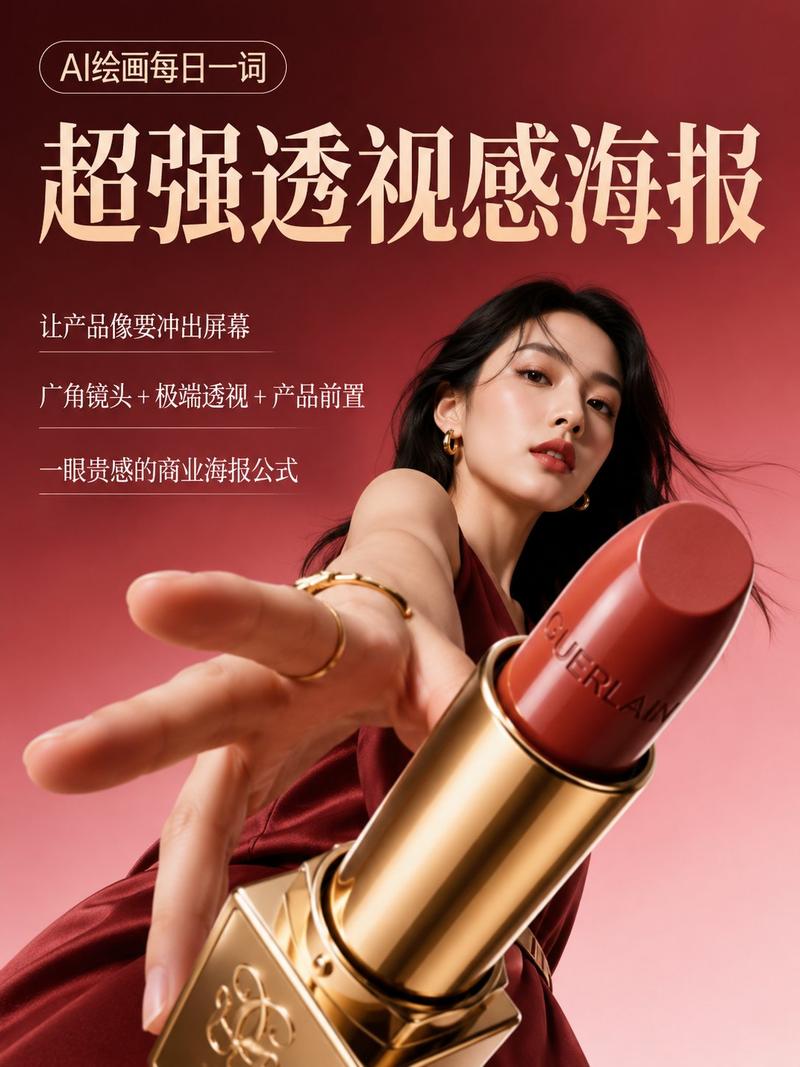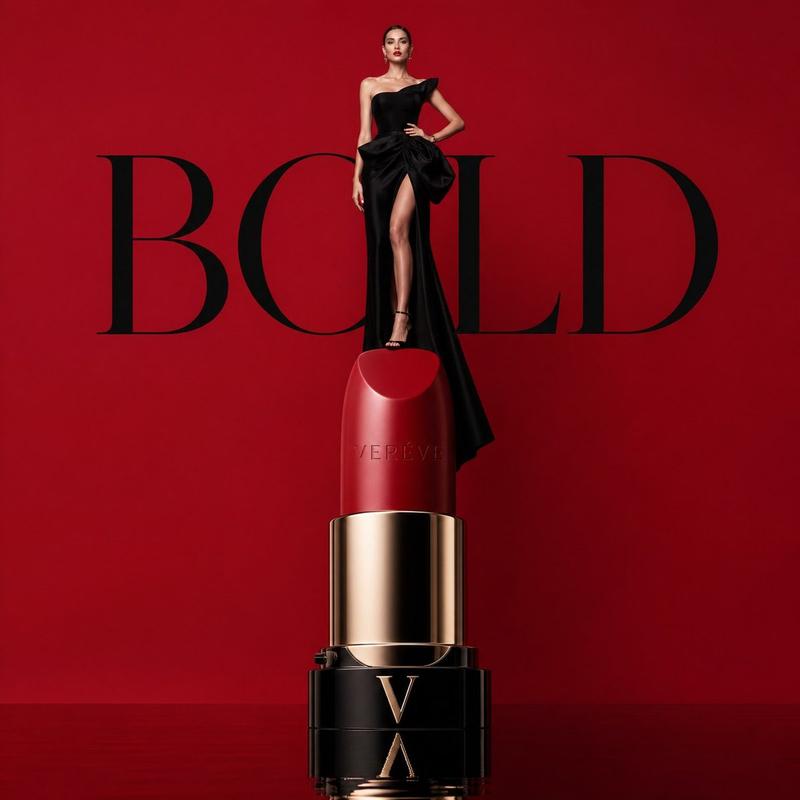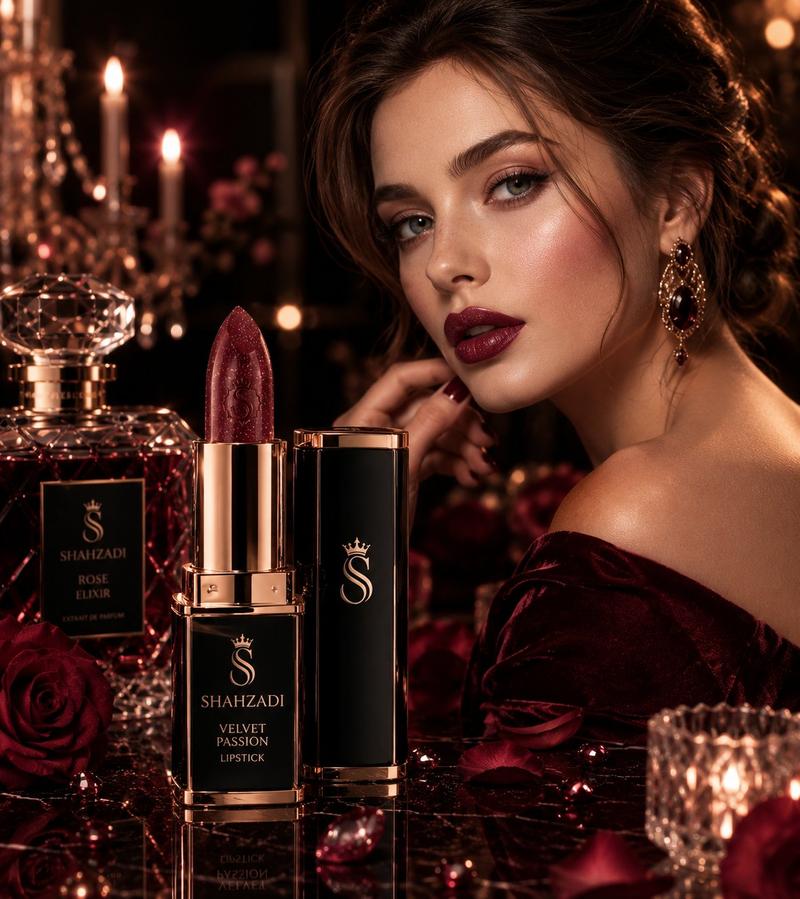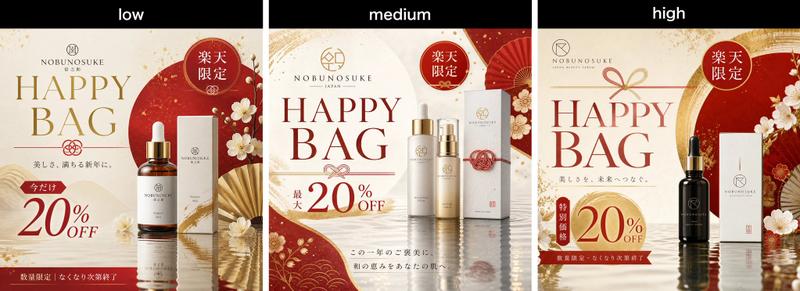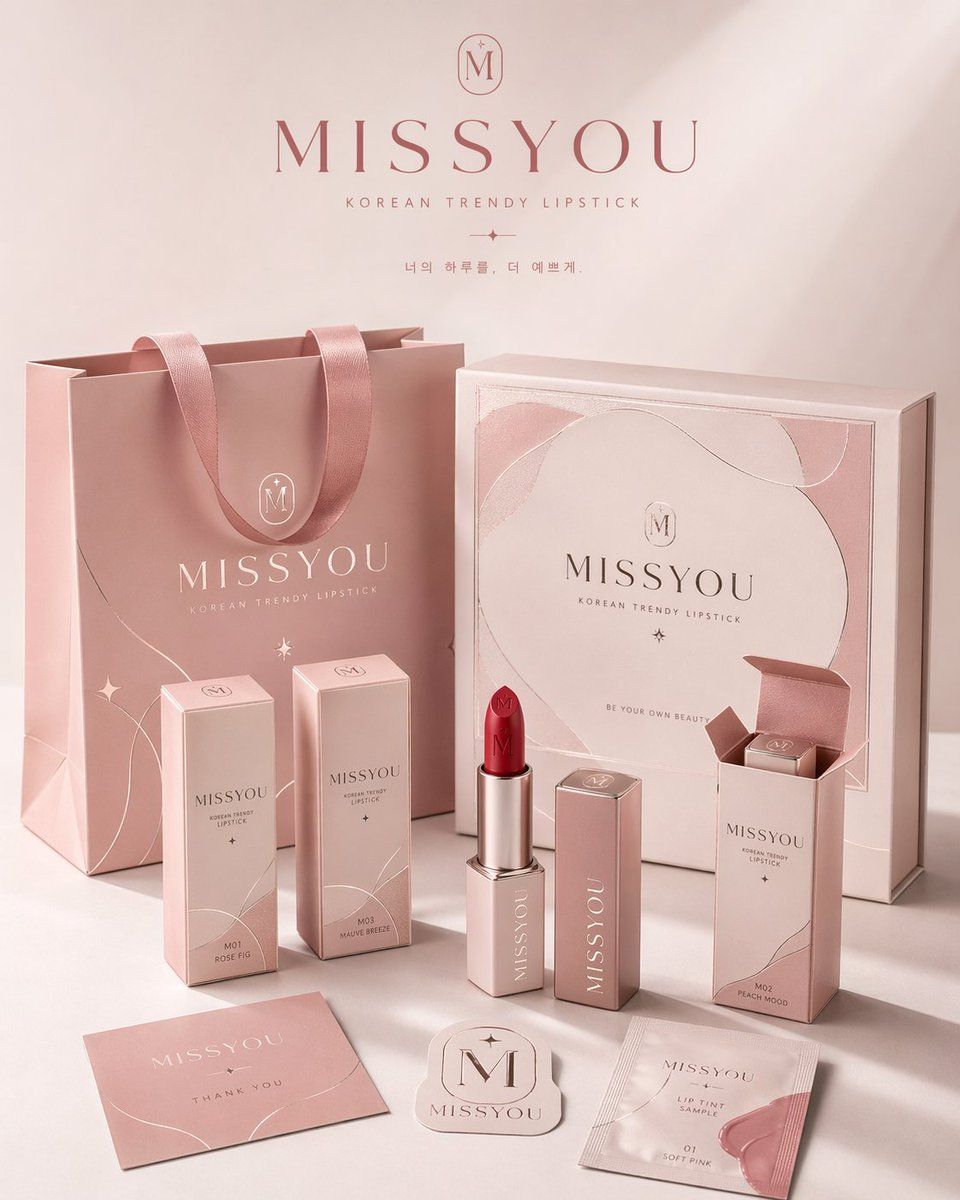
Poster king: GPT Image 2 prompt
Prompt
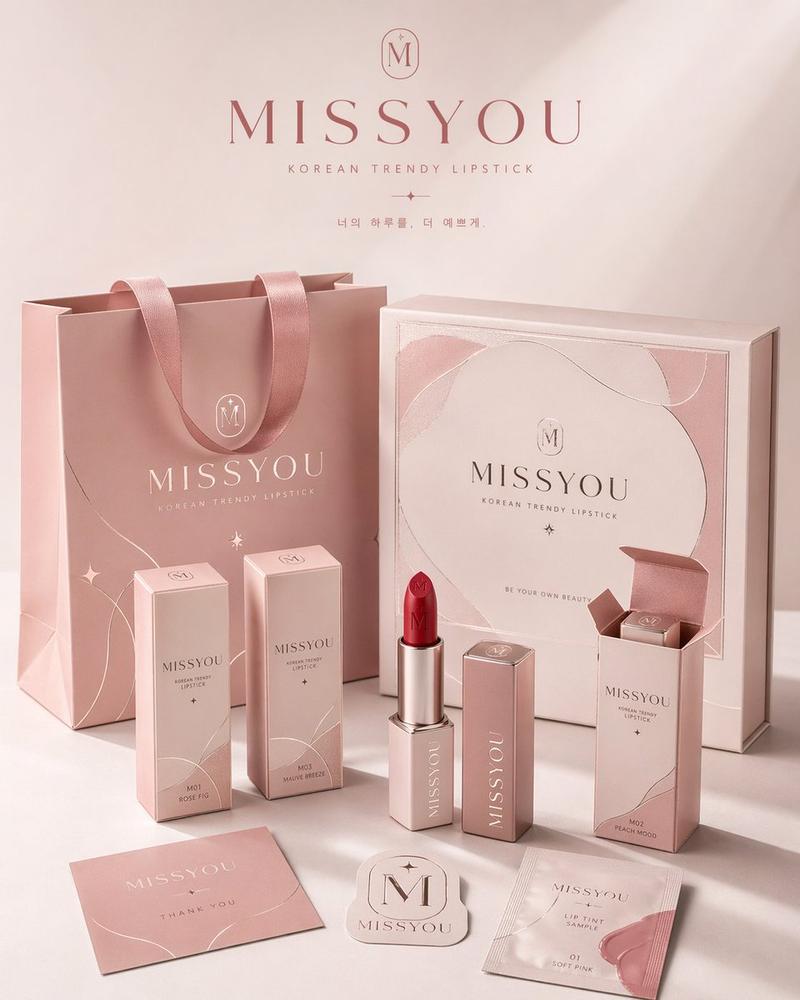
Please create a high-aesthetic, high-completion 'brand packaging system showcase' for the brand [brand name], category [brand category]. This is not an ordinary e-commerce white-background product shot, nor a single-product image, but an image with a brand-pitch feel, a visual identity system feel, and commercial-photography quality showing a packaging family lineup. The image needs to convey 'one brand consistently applied across multiple packaging vehicles,' presenting the complete packaging system of a mature consumer brand.

[Aspect requirement] The overall composition must be a fixed 4:5 vertical poster, with a clearly vertical orientation. Horizontal compositions, wide tabletop layouts, or overly scattered horizontal displays are forbidden. The composition should follow poster reading logic: leave breathing room at the top, the brand packaging system as the main visual focus in the middle, and supporting packaging, labels, and products at the bottom. Centered weight, suitable to be published directly as a brand showcase poster.

[Core requirements] Based on the [category], automatically match the most reasonable and natural packaging combinations and product forms, and build a unified brand visual system around the [brand name]. The image should include a small but representative selection of packaging forms, forming a complete and refined brand packaging system. Don't pursue quantity; emphasize hierarchy, brand consistency, and display aesthetics. You can reasonably select among these packaging types: handbags / shopping bags, paper boxes / gift boxes / outer packaging boxes, long boxes / single-product boxes / set boxes, packaging bags / sleeves / sample bags / soft bags, cups / bottles / jars / tube containers / spray bottles / pump bottles, labels / stickers / seal labels / hangtags / small cards, plus the actual product corresponding to the category.

[Category adaptation logic] The packaging form and product form should auto-match to the [category], but are not limited to a single direction. You can refer to: for food / baking / snacks / drinks, use paper bags, paper boxes, packaging bags, cups, food containers, stickers, seal labels, and the actual product; for tea / coffee / drinks, use cups, bottles, can packaging, totes, cup sleeves, sealing stickers, gift boxes; for beauty / skincare / makeup / perfume, use bottles, jars, tubes, boxes, gift boxes, totes, sample packaging; for fragrance / home / lifestyle, use diffuser bottles, candle cups, packaging boxes, gift boxes, totes, hang tags, label cards; for apparel / accessories / collectibles / cultural-creative goods, use packaging boxes, drawer boxes, dust bags, totes, stickers, hangtags, accessory packaging; for digital accessories / tools / small consumer goods, use hard cases, outer packaging boxes, storage bags, instruction cards, stickers, sleeves, labels. The overall result must reflect 'category-appropriate, brand-unified, packaging-as-a-system.'

[Quantity & density control] Control the number of objects in the image — don't pile too much, and don't try to show every possible packaging form. Aim for 'few but refined, complete but not crowded.' Suggested counts: 1–2 large packaging items, 2–3 medium packaging items, 2–4 small packaging or supporting items, 1–3 actual products, total visible elements about 6–10. Packaging types should show layered variation and a sense of system, but avoid too many duplicates. Leave plenty of negative space and breathing room so each piece is clearly visible, with clear hierarchy and relaxed placement. Better few and fine than overcrowded for the sake of 'completeness.'

[Brand visual system requirements] All packaging must belong to the same brand system, consistently using the [brand name] as the core brand identifier. There must be consistent logo / mark presentation, font style, graphic language, illustration language or pattern system, layout logic, color system, material and printing texture. The brand tone, color direction, pattern elements, supporting graphics, and visual atmosphere should be auto-matched and reasonably divergent based on the [category], not limited to any fixed style. The overall style should be unified, harmonious, and brand-recognizable — could be minimal premium, natural organic, fashion-modern, light-luxe, youthful fresh, artistic, trendy individual, or classic elegant — but must fit the [category] and show the design completeness of a mature brand.

[Color scheme requirements] Don't lock the colors to a single fixed combination, and don't repeatedly use highly similar primary palettes. Each generation should actively form different primary color schemes and color relationships based on the [category] and brand temperament, using a 'controlled-divergent' approach. Colors can be low-saturation natural tones, modern neutrals, light retro tones, fresh bright tones, light-luxe deep tones, or artistic mixed palettes — but must remain premium, unified, restrained, and brand-feeling. Each generation may show different visual moods, e.g., cream white + caramel brown, foggy gray-blue + warm white, olive green + linen beige, wine red + cream white, cocoa brown + ivory, charcoal + wheat gold, fog pink-gray + off-white, navy + warm gray — these are reference directions only, not fixed templates. No fluorescent colors, no cheap-saturation palettes, no chaotic uncontrolled multi-color collages.

[Composition & display requirements] The image follows brand-packaging-family display logic, not a messy pile. Overall it is a commercial photo studio scene, using a 3/4 slight overhead view or a slightly perspectival front display angle, forming a layered, orderly, hierarchical packaging display. Composition reference: 1–2 larger packaging items in the back as visual anchors (handbags, big gift boxes, big outer boxes); core brand packaging or hero unit in the middle as the main focus; smaller packaging, supporting packaging, labels, stickers, and the actual product in the foreground; at least one actual product naturally interacting with the packaging (half-revealed product, placed in front of the packaging, or shown together with packaging); overall a balanced, designed triangular or staggered composition. Image is clean, breathing, not crowded — rich content but restrained, using a limited and precise packaging combination to convey a complete brand packaging ecosystem.

[Visual style requirements] The overall result has high-end commercial photography quality and a brand-pitch feel. Background is a clean studio environment — white, warm white, light gray, or a minimal background auto-matched to brand tone. The image should emphasize true packaging material expression, clear paper creases, box-shape structures, bottle and jar contours, label details, printing quality, embossing / hot-stamping / matte / cotton-paper / kraft texture material details, plus a unified premium color combination, refined modern clean brand visual language, and a strong sense that 'this is one complete brand packaging system.'

[Lighting requirements] Use real commercial-photography-grade lighting — soft studio light, possibly with slight directional natural side light. There should be clear but restrained shadows to enhance dimensionality, spatiality, and a premium feel. Overall light is translucent, bright, and clean — no gloom, no cheap feel, no messy backgrounds.

[Final output] The final image should look like a packaging system showcase poster, packaging family pitch, or brand-visual landing image of a mature brand — not a scattered product collage. Emphasis: fixed 4:5 vertical poster feel, brand consistency, packaging-family completeness, commercial-photography feel, design-pitch feel, category-fit, plus high aesthetic and visual completion.
- Category
- Products & E-commerce
- Model
- GPT Image 2
- Creator
- Larus Canus
- Source ID
- 2047253028462317674
- Published
- Apr 23, 2026
Views0