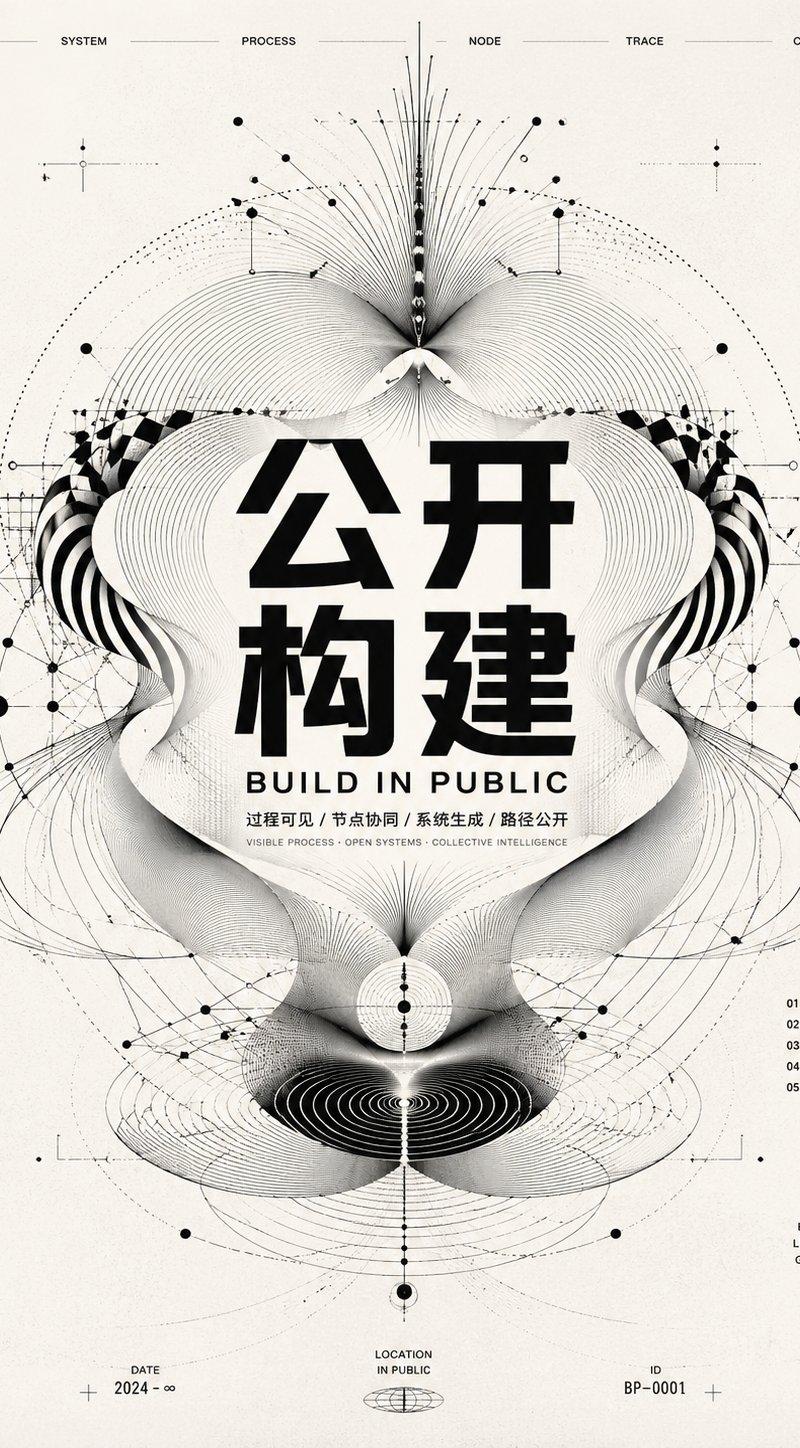
Monochrome optical concept poster: GPT Image 2 prompt
请根据用户输入的【主题文字】与【图片比例】,创作一张高完成度的「黑白光学抽象概念海报 / Monochrome Optical Concept Poster」。 【用户输入】 主题文字:【自定义】 图片比例:【根据需求自定义】 这不是普通文字海报,不是简单排版海报,也不是具象插画,而是一张以"主题文字"为核心、融合「黑白光学艺术 / Op Art」「参数化生成图形」「生物形态抽象」「实验性瑞士风排版」的高完成度概念海报。整体必须具有强烈的视觉冲击力、现代设计感、抽象性、秩序感、哲学感和系列化统一风格。 【整体风格要求】 1. 整体采用黑白单色为主,背景为干净的浅米白、暖白或极浅灰纸面质感。 2. 画面主视觉应呈现高对比度的抽象图形语言,结合光学错觉、镜像对称、波纹、重复曲线、参数化弧线、放射线、莫尔纹、同心线、点阵、棋盘格变形、流体形态、羽毛状或翼状结构、节点、回路、路径、能量场等元素。 3. 图形不能只是装饰,要与【主题文字】形成语义呼应:让抽象图形像是在"解释"这个主题的情绪、结构、张力或关系。 4. 风格应偏高级平面设计、实验海报、未来感视觉档案、设计展海报、概念专辑封面气质,避
- 分类
- 海报营销
- 模型
- GPT Image 2
- 来源作者
- Larus Canus
- 原始语言
- zh-CN
- 来源 ID
- 2049495868873531629
- 发布时间
- 2026年4月29日
完整提示词
请根据用户输入的【主题文字】与【图片比例】,创作一张高完成度的「黑白光学抽象概念海报 / Monochrome Optical Concept Poster」。

【用户输入】
主题文字:【自定义】
图片比例:【根据需求自定义】

这不是普通文字海报,不是简单排版海报,也不是具象插画,而是一张以"主题文字"为核心、融合「黑白光学艺术 / Op Art」「参数化生成图形」「生物形态抽象」「实验性瑞士风排版」的高完成度概念海报。整体必须具有强烈的视觉冲击力、现代设计感、抽象性、秩序感、哲学感和系列化统一风格。

【整体风格要求】
1. 整体采用黑白单色为主,背景为干净的浅米白、暖白或极浅灰纸面质感。
2. 画面主视觉应呈现高对比度的抽象图形语言,结合光学错觉、镜像对称、波纹、重复曲线、参数化弧线、放射线、莫尔纹、同心线、点阵、棋盘格变形、流体形态、羽毛状或翼状结构、节点、回路、路径、能量场等元素。
3. 图形不能只是装饰,要与【主题文字】形成语义呼应:让抽象图形像是在"解释"这个主题的情绪、结构、张力或关系。
4. 风格应偏高级平面设计、实验海报、未来感视觉档案、设计展海报、概念专辑封面气质,避免商业促销感、廉价感和普通社媒模板感。

【主标题要求】
1. 将【主题文字】作为整张海报最重要的主标题,放在画面中心或核心视觉区域,字号大、识别强、视觉统治力强。
2. 主标题必须准确渲染,不能出现错字、漏字、别字。
3. 若【主题文字】为中文,则以中文大标题为主,可自动补充一个小型英文副标题或英文解释作为辅助信息;若【主题文字】为英文,则英文主标题为主,可自动补充一行较小的中文辅助说明。
4. 主标题字体风格应现代、克制、有力量感,适合高端设计海报,不要卡通感,不要过度花哨。

【构图与视觉结构要求】
1. 画面应具有明确的"中心秩序",推荐采用以下结构之一,并根据主题自动判断最适合的方式:
 - 对称对峙式
 - 中轴爆发式
 - 双向碰撞式
 - 共振聚合式
 - 节点路径式
 - 漩涡回路式
 - 仪式展陈式
2. 如果主题偏"冲突、对抗、博弈、争夺、困境、历史张力",可采用左右对冲、双核对峙、中心碰撞、分裂与拉扯的视觉结构。
3. 如果主题偏"融合、共生、共振、连接、和谐、秩序",可采用镜像呼应、向心汇聚、波纹共鸣、结构互嵌的视觉结构。
4. 如果主题偏"思辨、认知、系统、决策、哲学、机制",可采用节点、连线、回路、路径、均衡结构、参数图示感的视觉组织方式。
5. 主体抽象图形应足够强,能单独成为海报的识别符号,但不要喧宾夺主压过主标题。

【排版与信息层级要求】
1. 除主标题外,可在画面中加入少量辅助排版信息,用于增强"档案感 / 展览感 / 概念感",例如:
 - 小号英文关键词
 - 小号中文关键词
 - 竖排边注
 - 顶部或底部导航式短词
 - 简短口号
 - 结构标签
 - 符号化说明文字
2. 这些辅助信息应围绕主题自动生成,内容要短、小、精,不要大段说明,不要像文章排版。
3. 可适度加入点、线、十字、星号、圆环、网格、坐标感符号、极简图标等,提升系统感与实验感。
4. 版式要有呼吸感与留白,不能过于拥挤;同时又要有足够的信息密度,形成"设计感强但不杂乱"的高级视觉效果。

【主题翻译逻辑要求】
1. 不能只把主题文字放上去就结束,而要将【主题文字】转化为视觉隐喻。
2. 例如:
 - 若主题具有冲突感,图形应体现拉扯、对峙、碰撞、裂变、失衡、压迫、战场感。
 - 若主题具有融合感,图形应体现汇聚、回响、流动、互嵌、共鸣、联结、平衡感。
 - 若主题具有困境或博弈感,图形应体现分叉、选择、节点、均衡、路径、张力、循环。
 - 若主题具有历史或史诗感,图形可引入器物、纹样、仪式感、权力感的抽象化表达,但仍需保持现代黑白实验设计风格。
3. 抽象图形应看起来像"概念被可视化后的形态",而不是随机花纹。

【画面质感要求】
1. 质感偏平面设计与高级印刷视觉,黑白干净利落,边缘清晰。
2. 可适当加入细微纸感、微弱噪点、印刷感,但不要做旧过头。
3. 整体应像一张可以直接用于:
 - 展览海报
 - 观点封面
 - 设计感专题封面
 - 概念视觉海报
 - 文化与思想类封面图
4. 避免生成写实人物、真实场景摄影、卡通插画、彩色商业广告风、低幼图形语言。

【最终输出要求】
请输出一张构图完整、主标题醒目、抽象图形强烈、排版高级、黑白统一、具有系列感与收藏感的概念海报。
务必确保【主题文字】准确清晰,整体风格统一,画面具有强烈的"光学抽象 + 概念排版 + 现代设计海报"特征。
多语言2
Monochrome optical concept poster: GPT Image 2 prompt
zh-CN请根据用户输入的【主题文字】与【图片比例】,创作一张高完成度的「黑白光学抽象概念海报 / Monochrome Optical Concept Poster」。 【用户输入】 主题文字:【自定义】 图片比例:【根据需求自定义】 这不是普通文字海报,不是简单排版海报,也不是具象插画,而是一张以"主题文字"为核心、融合「黑白光学艺术 / Op Art」「参数化生成图形」「生物形态抽象」「实验性瑞士风排版」的高完成度概念海报。整体必须具有强烈的视觉冲击力、现代设计感、抽象性、秩序感、哲学感和系列化统一风格。 【整体风格要求】 1. 整体采用黑白单色为主,背景为干净的浅米白、暖白或极浅灰纸面质感。 2. 画面主视觉应呈现高对比度的抽象图形语言,结合光学错觉、镜像对称、波纹、重复曲线、参数化弧线、放射线、莫尔纹、同心线、点阵、棋盘格变形、流体形态、羽毛状或翼状结构、节点、回路、路径、能量场等元素。 3. 图形不能只是装饰,要与【主题文字】形成语义呼应:让抽象图形像是在"解释"这个主题的情绪、结构、张力或关系。 4. 风格应偏高级平面设计、实验海报、未来感视觉档案、设计展海报、概念专辑封面气质,避免商业促销感、廉价感和普通社媒模板感。 【主标题要求】 1. 将【主题文字】作为整张海报最重要的主标题,放在画面中心或核心视觉区域,字号大、识别强、视觉统治力强。 2. 主标题必须准确渲染,不能出现错字、漏字、别字。 3. 若【主题文字】为中文,则以中文大标题为主,可自动补充一个小型英文副标题或英文解释作为辅助信息;若【主题文字】为英文,则英文主标题为主,可自动补充一行较小的中文辅助说明。 4. 主标题字体风格应现代、克制、有力量感,适合高端设计海报,不要卡通感,不要过度花哨。 【构图与视觉结构要求】 1. 画面应具有明确的"中心秩序",推荐采用以下结构之一,并根据主题自动判断最适合的方式: - 对称对峙式 - 中轴爆发式 - 双向碰撞式 - 共振聚合式 - 节点路径式 - 漩涡回路式 - 仪式展陈式 2. 如果主题偏"冲突、对抗、博弈、争夺、困境、历史张力",可采用左右对冲、双核对峙、中心碰撞、分裂与拉扯的视觉结构。 3. 如果主题偏"融合、共生、共振、连接、和谐、秩序",可采用镜像呼应、向心汇聚、波纹共鸣、结构互嵌的视觉结构。 4. 如果主题偏"思辨、认知、系统、决策、哲学、机制",可采用节点、连线、回路、路径、均衡结构、参数图示感的视觉组织方式。 5. 主体抽象图形应足够强,能单独成为海报的识别符号,但不要喧宾夺主压过主标题。 【排版与信息层级要求】 1. 除主标题外,可在画面中加入少量辅助排版信息,用于增强"档案感 / 展览感 / 概念感",例如: - 小号英文关键词 - 小号中文关键词 - 竖排边注 - 顶部或底部导航式短词 - 简短口号 - 结构标签 - 符号化说明文字 2. 这些辅助信息应围绕主题自动生成,内容要短、小、精,不要大段说明,不要像文章排版。 3. 可适度加入点、线、十字、星号、圆环、网格、坐标感符号、极简图标等,提升系统感与实验感。 4. 版式要有呼吸感与留白,不能过于拥挤;同时又要有足够的信息密度,形成"设计感强但不杂乱"的高级视觉效果。 【主题翻译逻辑要求】 1. 不能只把主题文字放上去就结束,而要将【主题文字】转化为视觉隐喻。 2. 例如: - 若主题具有冲突感,图形应体现拉扯、对峙、碰撞、裂变、失衡、压迫、战场感。 - 若主题具有融合感,图形应体现汇聚、回响、流动、互嵌、共鸣、联结、平衡感。 - 若主题具有困境或博弈感,图形应体现分叉、选择、节点、均衡、路径、张力、循环。 - 若主题具有历史或史诗感,图形可引入器物、纹样、仪式感、权力感的抽象化表达,但仍需保持现代黑白实验设计风格。 3. 抽象图形应看起来像"概念被可视化后的形态",而不是随机花纹。 【画面质感要求】 1. 质感偏平面设计与高级印刷视觉,黑白干净利落,边缘清晰。 2. 可适当加入细微纸感、微弱噪点、印刷感,但不要做旧过头。 3. 整体应像一张可以直接用于: - 展览海报 - 观点封面 - 设计感专题封面 - 概念视觉海报 - 文化与思想类封面图 4. 避免生成写实人物、真实场景摄影、卡通插画、彩色商业广告风、低幼图形语言。 【最终输出要求】 请输出一张构图完整、主标题醒目、抽象图形强烈、排版高级、黑白统一、具有系列感与收藏感的概念海报。 务必确保【主题文字】准确清晰,整体风格统一,画面具有强烈的"光学抽象 + 概念排版 + 现代设计海报"特征。
Monochrome optical concept poster: GPT Image 2 prompt
enBased on the user's [Theme Text] and [Image Aspect Ratio], create a highly polished "Monochrome Optical Concept Poster". [User Input] Theme text: [custom] Aspect ratio: [custom as needed] This is not an ordinary text poster, not a simple typographic poster, and not a figurative illustration. It is a high-quality concept poster centered on the theme text, fusing Black-and-White Op Art, parametric generative graphics, biomorphic abstraction, and experimental Swiss-style typography. It must carry strong visual impact, modern design sensibility, abstraction, order, philosophical weight, and a unified serial style. [Overall Style] 1. Predominantly monochrome black and white; background is clean off-white, warm white, or very light grey paper texture. 2. The hero visual should be a high-contrast abstract graphic language combining optical illusion, mirror symmetry, ripples, repeating curves, parametric arcs, radial lines, moiré patterns, concentric lines, dot grids, distorted checkerboards, fluid forms, feather/wing-like structures, nodes, circuits, paths, and energy fields. 2. Graphics must not be mere decoration — they must semantically echo the theme text, as if explaining the mood, structure, tension, or relationships of the theme. 4. Style should lean toward high-end graphic design, experimental posters, futuristic visual archives, design-exhibition posters, conceptual album covers — avoid commercial promo, cheap, or generic social-media template feels. [Headline Requirements] 1. The theme text is the most important headline; place it at the center or core visual zone with large size, strong legibility, and dominant visual presence. 2. The headline must render accurately — no typos, missing characters, or wrong characters. 3. If the theme text is Chinese, lead with a large Chinese headline and optionally add a small English subtitle or explanation; if the theme text is English, lead with the English headline and optionally add a small Chinese support line. 4. Headline typography should be modern, restrained, and powerful — suitable for a high-end design poster. No cartoon feel, no over-decoration. [Composition & Visual Structure] 1. The image should have a clear "central order". Pick one of the following structures based on the theme: - Symmetric confrontation - Central-axis burst - Two-way collision - Resonant convergence - Node-path - Vortex circuit - Ritual exhibition 2. For themes leaning toward conflict, opposition, contest, struggle, predicament, or historical tension — use left-right impact, dual-core confrontation, central collision, splitting and pulling structures. 3. For themes leaning toward fusion, symbiosis, resonance, connection, harmony, or order — use mirror echoes, centripetal convergence, ripple resonance, interlocking structures. 4. For themes leaning toward thought, cognition, systems, decision-making, philosophy, or mechanisms — use nodes, connecting lines, circuits, paths, balanced structures, or parametric-diagram organization. 5. The hero abstract graphic should be strong enough to stand alone as the poster's signature mark, but not overpower the headline. [Typography & Information Hierarchy] 1. Beyond the headline, add a small amount of supporting typography to enhance the archive / exhibition / concept feel, such as: - Small English keywords - Small Chinese keywords - Vertical side notes - Top or bottom navigation-style short words - Short slogans - Structure labels - Symbolic captions 2. These supporting elements should be auto-generated around the theme — short, small, refined, not paragraphs, not article-like. 3. Optionally add dots, lines, crosses, asterisks, rings, grids, coordinate-style symbols, and minimal icons to enhance the systemic and experimental feel. 4. The layout must breathe with whitespace — never overcrowded — yet have enough information density to feel "design-rich but not chaotic". [Theme-to-Visual Translation Logic] 1. Don't just stamp the theme text onto the page — translate it into a visual metaphor. 2. For example: - If the theme has conflict, graphics should reflect pulling, opposition, collision, fission, imbalance, oppression, battlefield feel. - If the theme has fusion, graphics should reflect convergence, echo, flow, interlocking, resonance, connection, balance. - If the theme has predicament or game-theoretic feel, graphics should reflect branches, choices, nodes, equilibrium, paths, tension, cycles. - If the theme has history or epic feel, graphics may reference objects, motifs, ritual, and power expressed abstractly — while keeping a modern black-and-white experimental design style. 3. Abstract graphics should look like "concepts visualized", not random patterns. [Texture & Finish] 1. Texture leans toward graphic design and high-end print visuals — black and white clean, edges sharp. 2. Subtle paper texture, faint noise, or print feel can be added — don't over-distress. 3. The result should be usable as: exhibition posters, opinion covers, design feature covers, conceptual visual posters, culture-and-thought covers. 4. Avoid photoreal humans, real-scene photography, cartoon illustration, colorful commercial ads, or childlike graphic language. [Final Output] Deliver a fully composed poster with a striking headline, strong abstract graphics, refined typography, unified black-and-white tone, and a serial / collectible quality. Ensure the theme text is rendered accurately and the overall style is unified, with strong characteristics of "optical abstraction + conceptual typography + modern design poster".