20

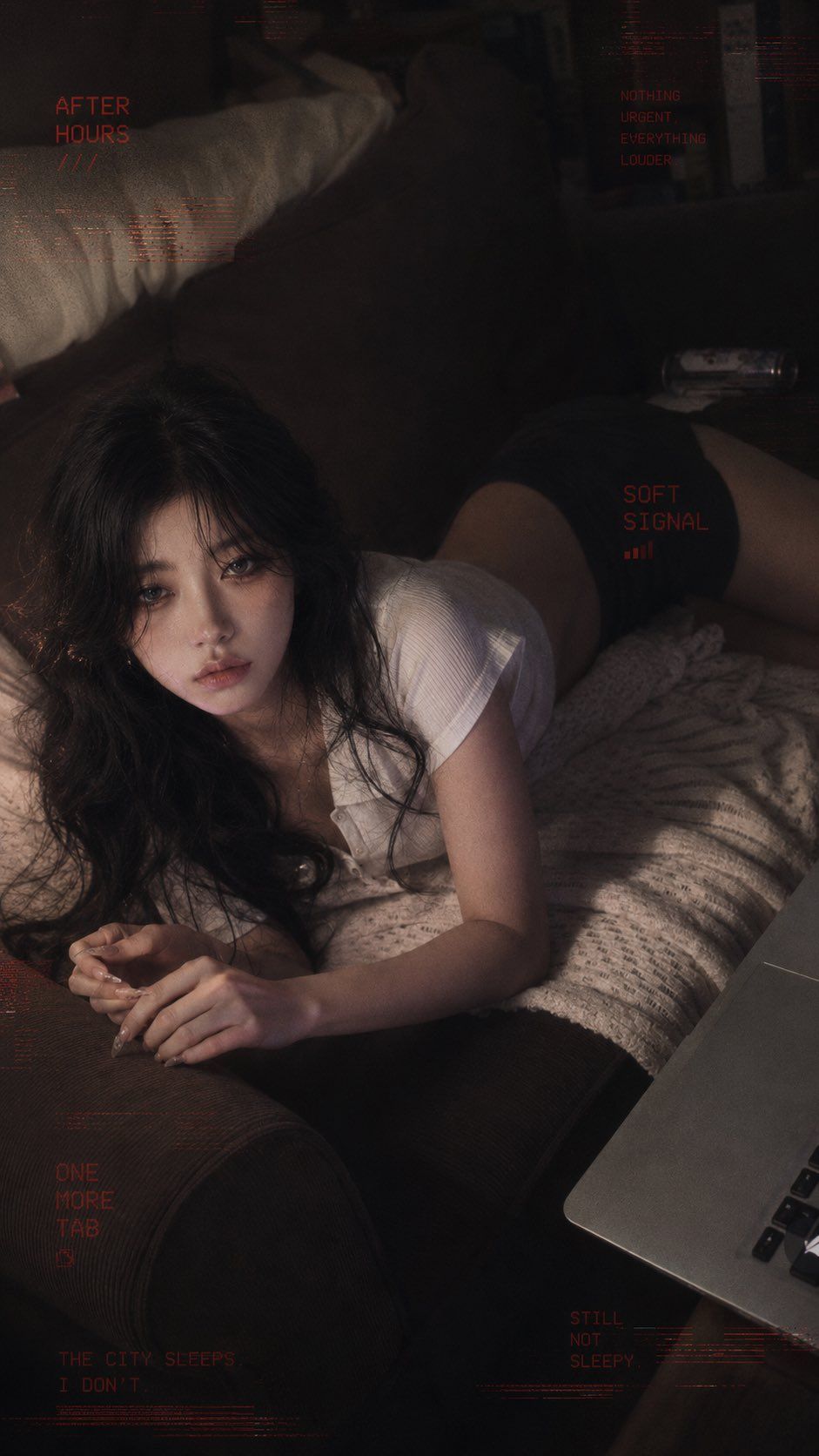
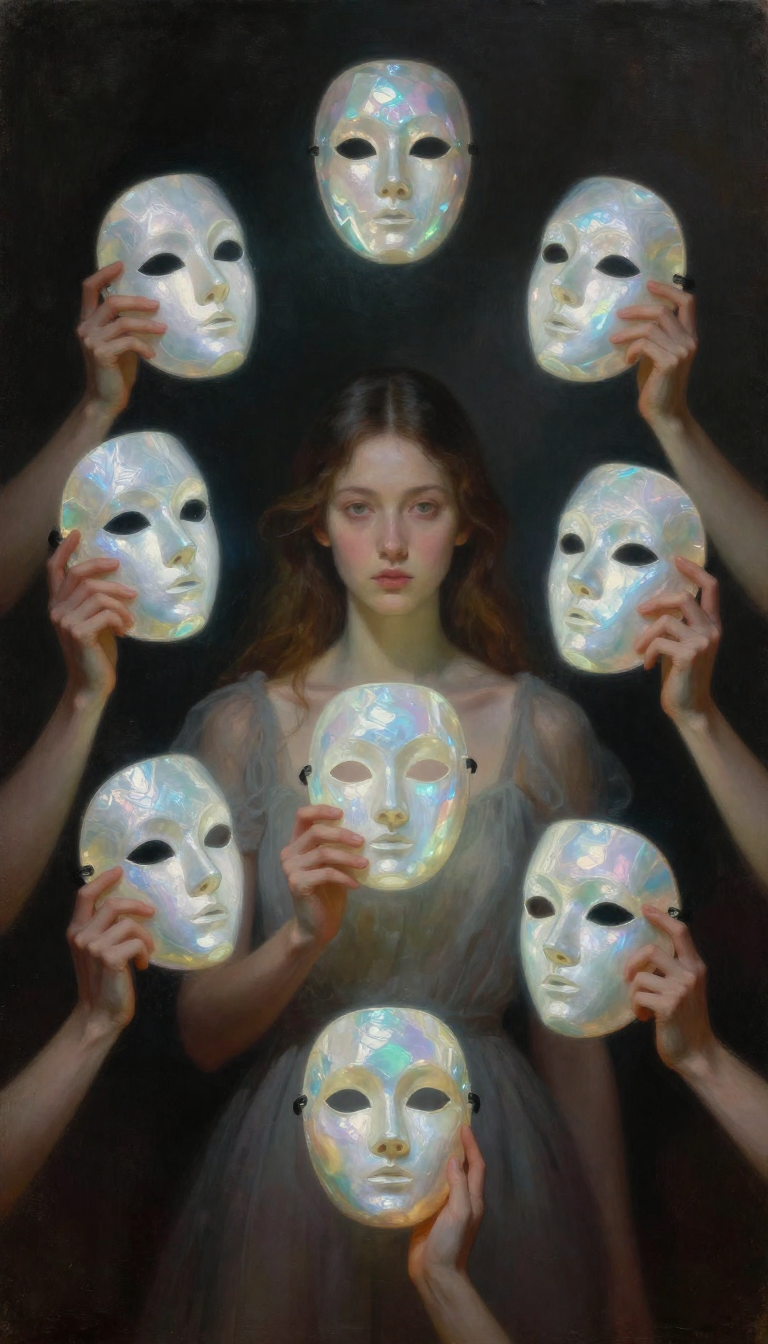
提示词: 使用一张人物照片作为主体身份参考,保留人物五官比例、脸型轮廓、眼神气质、长黑色微卷发、冷
Enlarge

提示词: 使用一张人物照片作为主体身份参考,保留人物五官比例、脸型轮廓、眼神气质、长黑色微卷发、冷

Prompt
使用一张人物照片作为主体身份参考,保留人物五官比例、脸型轮廓、眼神气质、长黑色微卷发、冷淡柔和的表情与整体辨识度,不要生成陌生人脸,不要过度美颜,不要塑料感。
Category
Photography & Realism
Model
GPT Image 2
Creator
serein
Views0
Source ID
27184
Published
Jun 29, 2026

Guide

About "提示词: 使用一张人物照片作为主体身份参考,保留人物五官比例、脸型轮廓、眼神气质、长黑色微卷发、冷"

What is this prompt for?

"提示词: 使用一张人物照片作为主体身份参考,保留人物五官比例、脸型轮廓、眼神气质、长黑色微卷发、冷" AI image prompt for GPT Image 2 (Photography & Realism). 使用一张人物照片作为主体身份参考,保留人物五官比例、脸型轮廓、眼神气质、长黑色微卷发、冷淡柔和的表情…

The full copyable prompt and example visuals above are ready for AI image generation or one-click recreate in Picva.

How to use this prompt

  1. Step 1

    Open the prompt detail

    Review the example visuals, category, and full prompt text for "提示词: 使用一张人物照片作为主体身份参考,保留人物五官比例、脸型轮廓、眼神气质、长黑色微卷发、冷".

  2. Step 2

    Copy the prompt

    Copy the prompt body from this page, or load it directly in Studio.

  3. Step 3

    Pick a model (GPT Image 2)

    Prefer GPT Image 2. If you switch models, keep subject and composition and tweak style terms.

  4. Step 4

    Generate and export

    Recreate the look in Picva, or export into your workflow for editing and publishing.

FAQ

What is the "提示词: 使用一张人物照片作为主体身份参考,保留人物五官比例、脸型轮廓、眼神气质、长黑色微卷发、冷" prompt?
It is an AI image-generation prompt for GPT Image 2 in the Photography & Realism category. This page includes the full prompt text, example visuals, and a one-click recreate path in Picva.
How do I use this prompt to generate an image?
Copy the prompt from this page, or use Generate / Studio. Paste it into a compatible image model, or recreate the look in Picva with optional reference images.
Which model is this prompt for?
This page lists GPT Image 2. Most descriptive prompts also transfer to nearby image models such as GPT Image, Flux, or Midjourney with light style tweaks.
Can I use the result commercially?
You can usually copy the prompt for creation, but commercial use of the final image depends on the model terms, reference-image rights, and the generated content. Follow the source author and platform rules.