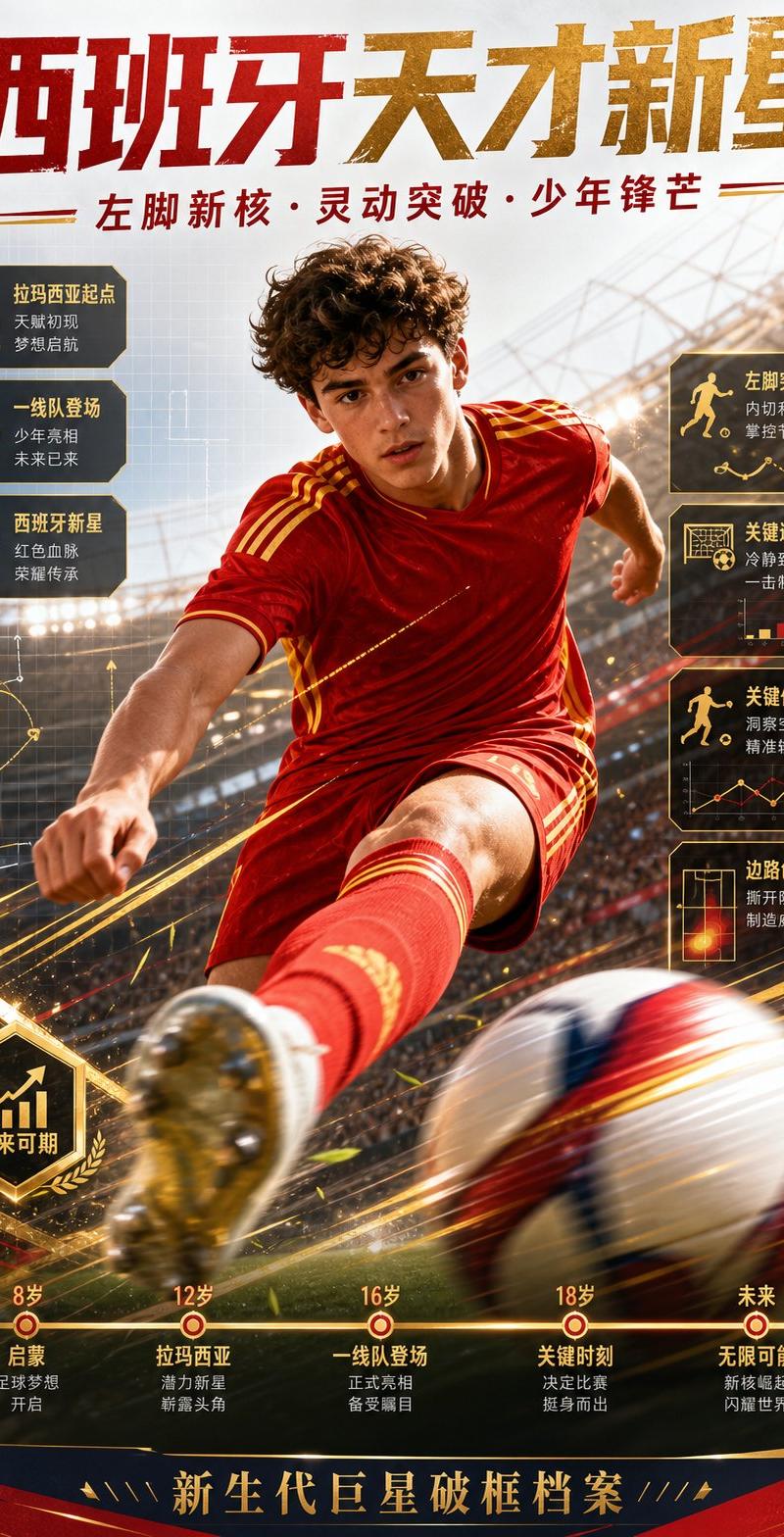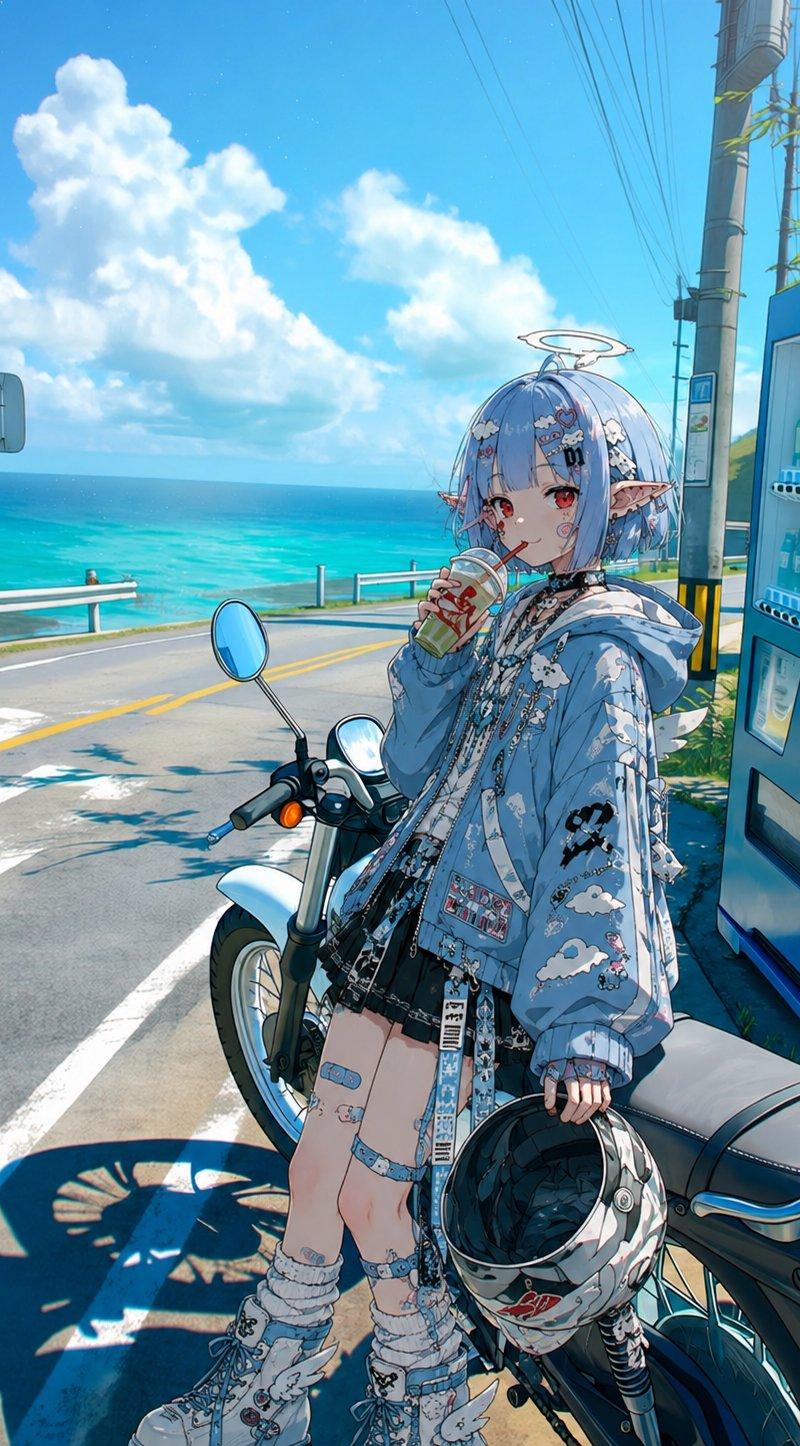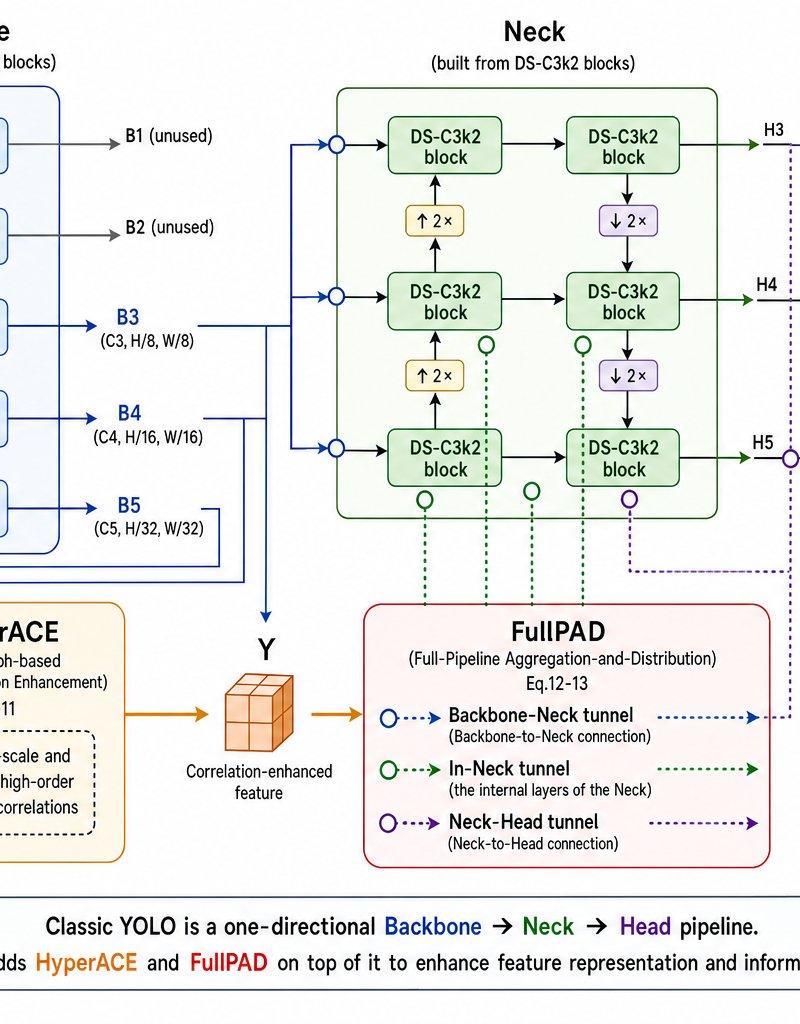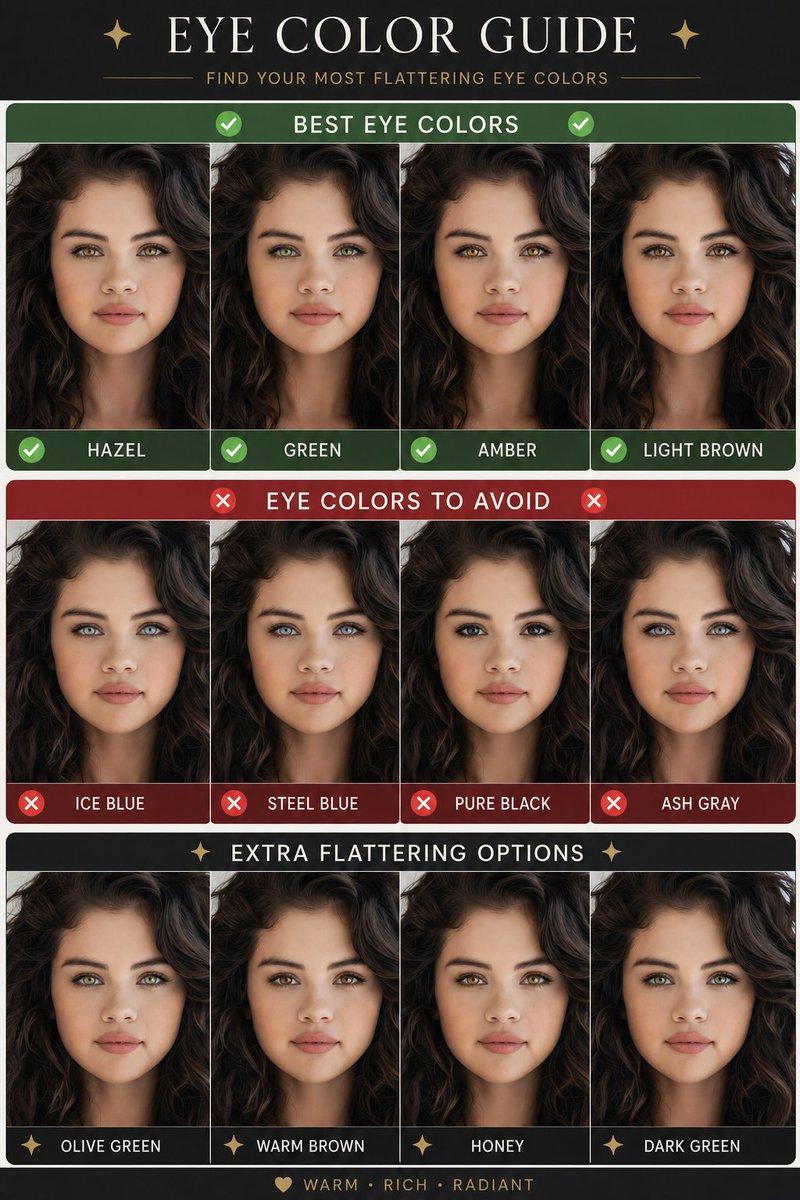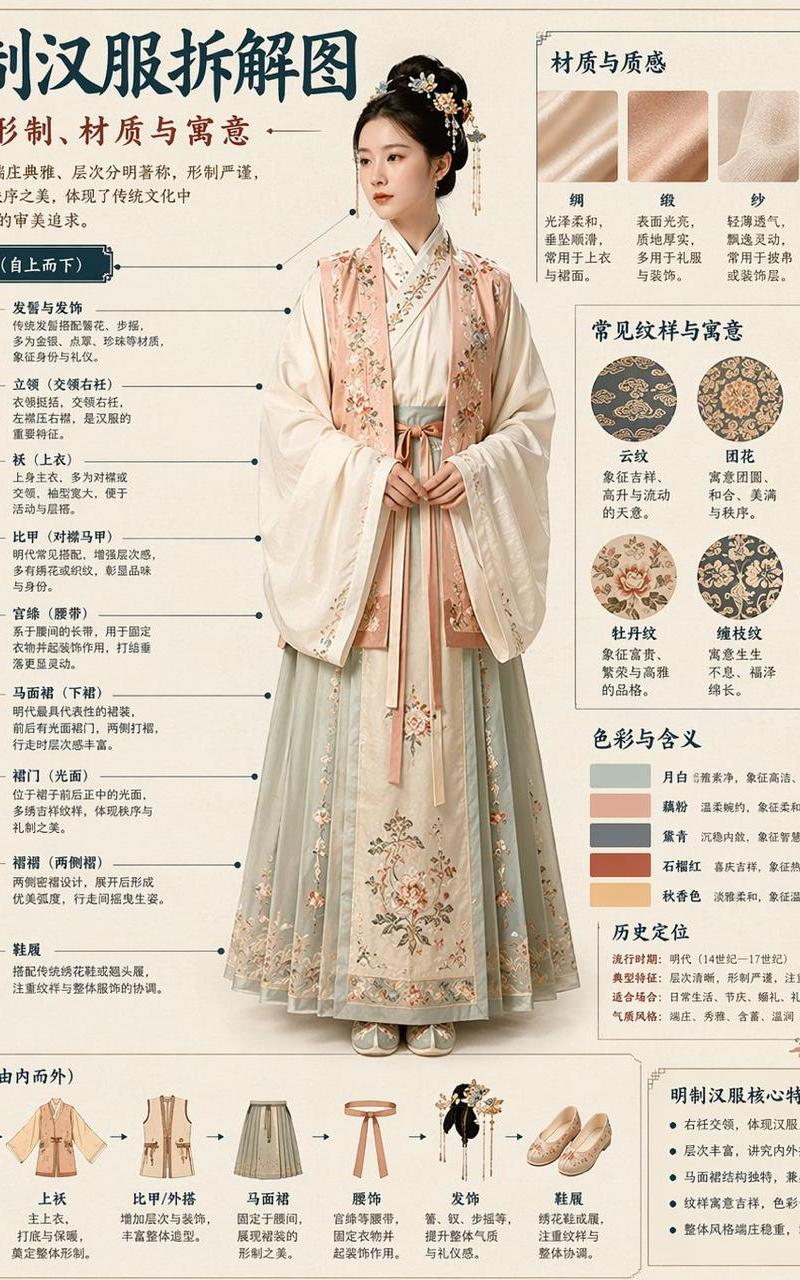
Infographic portrait: GPT Image 2 prompt
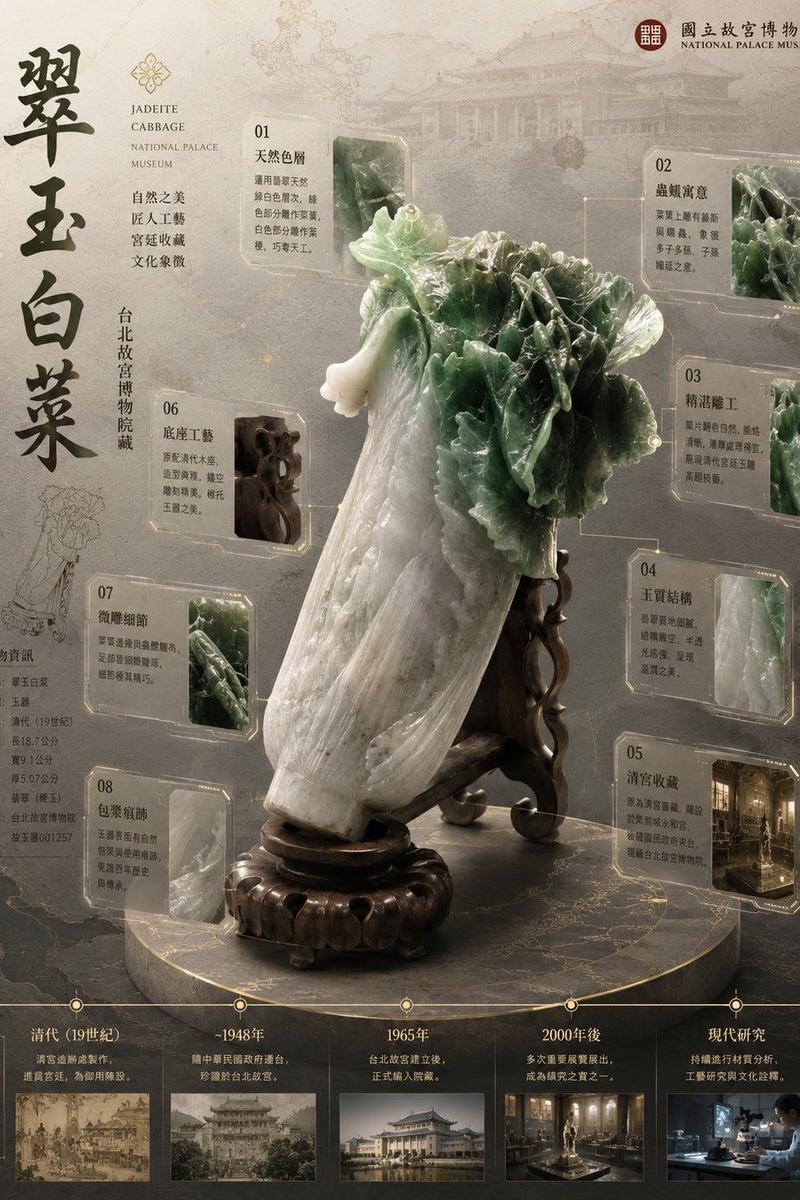
请根据【主题】自动生成一张“博物馆图鉴式中文拆解信息图”。 要求整张图兼具真实写实主视觉、结构拆解、中文标注、材质说明、纹样寓意、色彩含义和核心特征总结。你需要根据【主题】自动判断最合适的主体对象、服饰体系、器物结构、时代风格、关键部件、材质工艺、颜色方案与版式结构,用户无需再提供其他信息。 整体风格应为:国家博物馆展板、历史服饰图鉴、文博专题信息图,而不是普通海报、古风写真、电商详情页或动漫插画。背景采用米白、绢纸白、浅茶色等纸张质感,整体高级、克制、专业、可收藏。 版式固定为: - 顶部:中文主标题 + 副标题 + 导语 - 左侧:结构拆解区,中文引线标注关键部件,并配局部特写 - 右上:材质 / 工艺 / 质感区,展示真实纹理小样并附说明 - 右中:纹样 / 色彩 / 寓意区,展示主色板、纹样样本和文化解释 - 底部:穿着顺序 / 构成流程图 + 核心特征总结 若主题适合人物展示,则以真实人物全身站姿为中央主体;若更适合器物或单体结构,则改为中心主体拆解图,但整体仍保持完整中文信息图形式。所有文字必须为简体中文,清晰、规整、可读,不要乱码、错字、英文或拼音。重点突出真实结构、材质
- 分类
- 图表信息图
- 模型
- GPT Image 2
- 来源作者
- MrLarus
- 原始语言
- zh-CN
- 来源 ID
- awesome-ui-25
- 发布时间
- 2026年4月29日
完整提示词
请根据【主题】自动生成一张“博物馆图鉴式中文拆解信息图”。

要求整张图兼具真实写实主视觉、结构拆解、中文标注、材质说明、纹样寓意、色彩含义和核心特征总结。你需要根据【主题】自动判断最合适的主体对象、服饰体系、器物结构、时代风格、关键部件、材质工艺、颜色方案与版式结构,用户无需再提供其他信息。

整体风格应为:国家博物馆展板、历史服饰图鉴、文博专题信息图,而不是普通海报、古风写真、电商详情页或动漫插画。背景采用米白、绢纸白、浅茶色等纸张质感,整体高级、克制、专业、可收藏。

版式固定为:
- 顶部:中文主标题 + 副标题 + 导语
- 左侧:结构拆解区,中文引线标注关键部件,并配局部特写
- 右上:材质 / 工艺 / 质感区,展示真实纹理小样并附说明
- 右中:纹样 / 色彩 / 寓意区,展示主色板、纹样样本和文化解释
- 底部:穿着顺序 / 构成流程图 + 核心特征总结

若主题适合人物展示,则以真实人物全身站姿为中央主体;若更适合器物或单体结构,则改为中心主体拆解图,但整体仍保持完整中文信息图形式。所有文字必须为简体中文,清晰、规整、可读,不要乱码、错字、英文或拼音。重点突出真实结构、材质差异、文化说明与图鉴气质。

避免:海报感、影楼感、电商感、动漫感、cosplay感、乱标注、错结构、糊字、假材质、过度装饰。
多语言2
Infographic portrait: GPT Image 2 prompt
zh-CN请根据【主题】自动生成一张“博物馆图鉴式中文拆解信息图”。 要求整张图兼具真实写实主视觉、结构拆解、中文标注、材质说明、纹样寓意、色彩含义和核心特征总结。你需要根据【主题】自动判断最合适的主体对象、服饰体系、器物结构、时代风格、关键部件、材质工艺、颜色方案与版式结构,用户无需再提供其他信息。 整体风格应为:国家博物馆展板、历史服饰图鉴、文博专题信息图,而不是普通海报、古风写真、电商详情页或动漫插画。背景采用米白、绢纸白、浅茶色等纸张质感,整体高级、克制、专业、可收藏。 版式固定为: - 顶部:中文主标题 + 副标题 + 导语 - 左侧:结构拆解区,中文引线标注关键部件,并配局部特写 - 右上:材质 / 工艺 / 质感区,展示真实纹理小样并附说明 - 右中:纹样 / 色彩 / 寓意区,展示主色板、纹样样本和文化解释 - 底部:穿着顺序 / 构成流程图 + 核心特征总结 若主题适合人物展示,则以真实人物全身站姿为中央主体;若更适合器物或单体结构,则改为中心主体拆解图,但整体仍保持完整中文信息图形式。所有文字必须为简体中文,清晰、规整、可读,不要乱码、错字、英文或拼音。重点突出真实结构、材质差异、文化说明与图鉴气质。 避免:海报感、影楼感、电商感、动漫感、cosplay感、乱标注、错结构、糊字、假材质、过度装饰。
Infographic portrait: GPT Image 2 prompt
enPlease auto-generate a 'museum-encyclopedia-style Chinese deconstruction infographic' based on the [theme]. The entire image should combine a realistic main visual, structural deconstruction, Chinese annotations, material descriptions, pattern symbolism, color meanings, and a summary of core features. Based on the [theme], you should automatically determine the most suitable subject, costume system, object structure, era style, key components, materials and craftsmanship, color scheme, and layout structure — the user does not need to provide any additional information. The overall style should be: National Museum exhibition board, historical costume encyclopedia, museum special-topic infographic — not an ordinary poster, ancient-style portrait, e-commerce detail page, or anime illustration. The background uses paper textures such as off-white, silk-paper white, or light tea-color, with an overall premium, restrained, professional, and collectible feel. The layout is fixed as: - Top: Chinese main title + subtitle + introduction - Left: structural deconstruction area, with Chinese leader-line annotations on key components and partial close-ups - Top right: materials / craft / texture area, showing real texture samples with descriptions - Middle right: pattern / color / symbolism area, showing the main color palette, pattern samples, and cultural explanations - Bottom: dressing order / composition flowchart + summary of core features If the theme is suitable for a human display, use a realistic full-body standing figure as the central subject; if it is more suitable for an object or single structure, change to a central deconstruction diagram, but the overall format should remain a complete Chinese infographic. All text must be Simplified Chinese, clear, neat, and readable, with no garbled text, typos, English, or pinyin. Emphasize realistic structure, material differences, cultural explanations, and an encyclopedia-like atmosphere. Avoid: poster feel, photo-studio feel, e-commerce feel, anime feel, cosplay feel, messy annotations, wrong structure, blurry text, fake materials, excessive decoration.