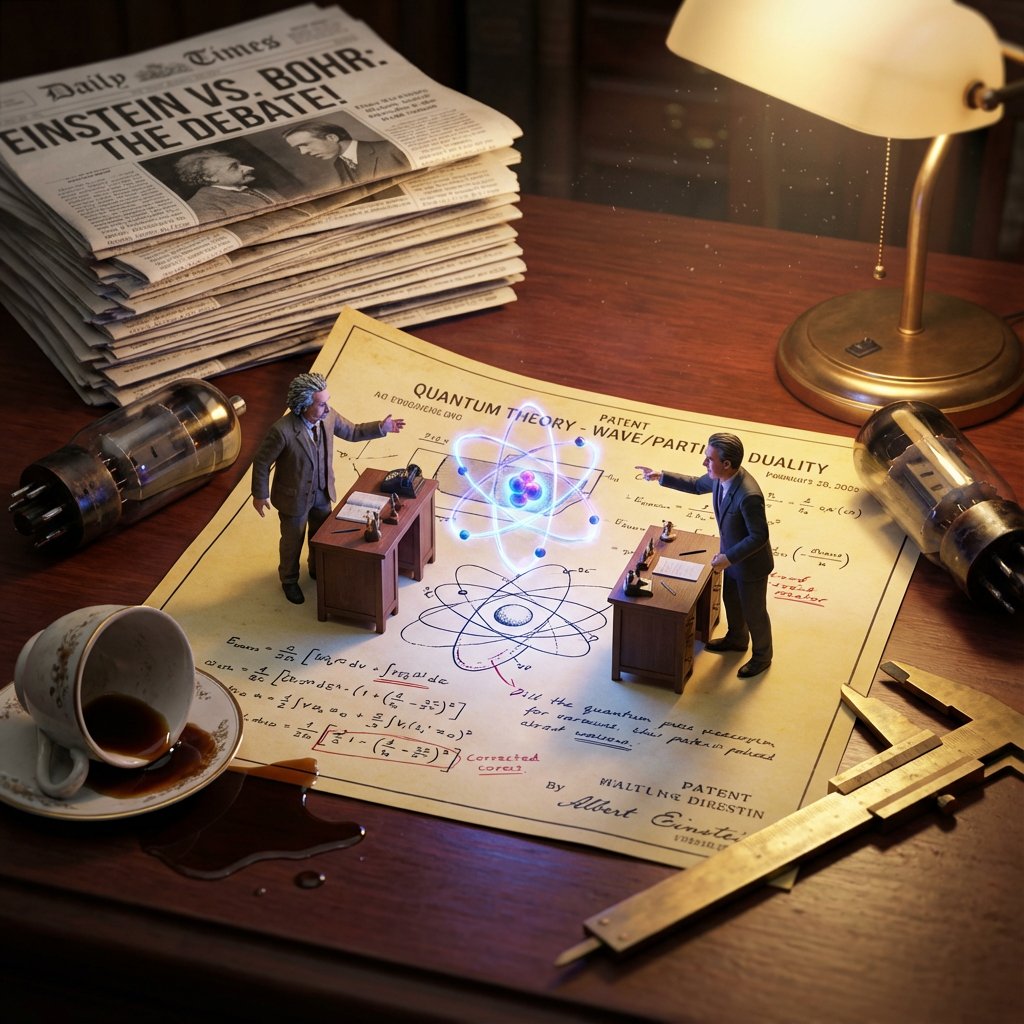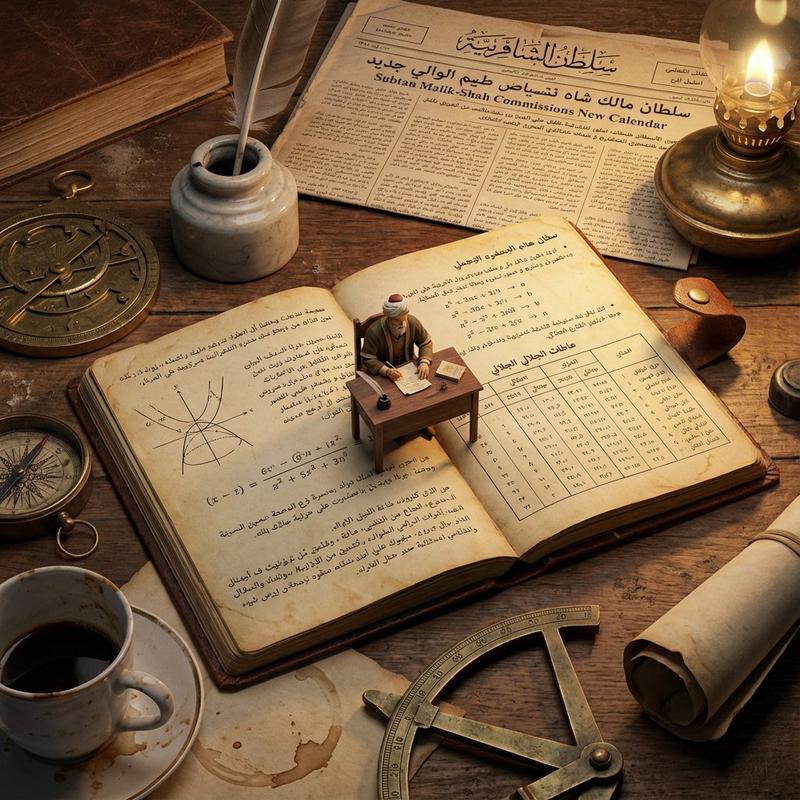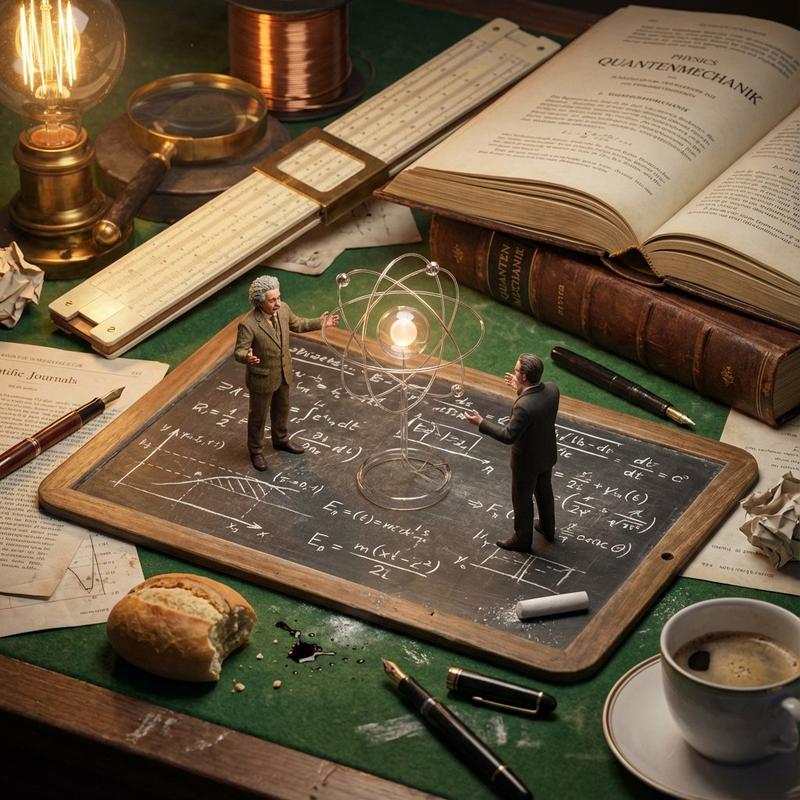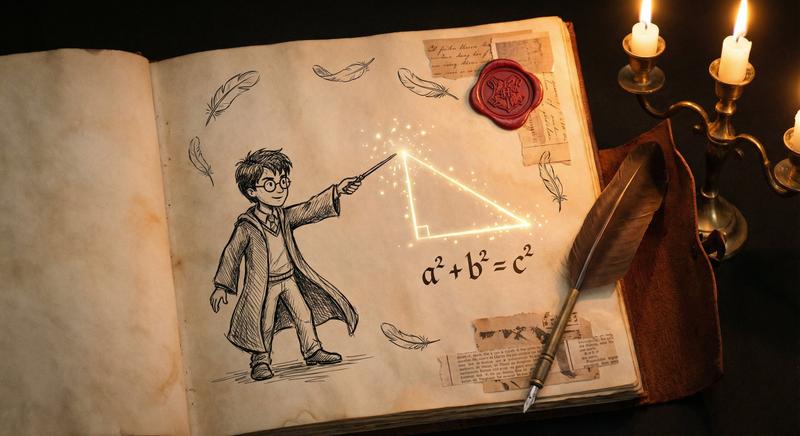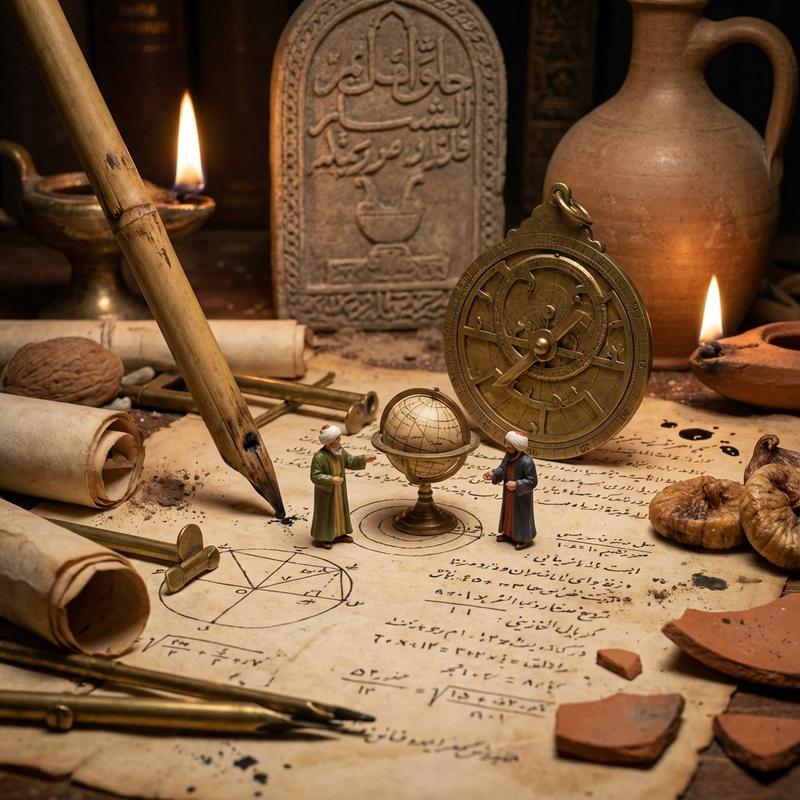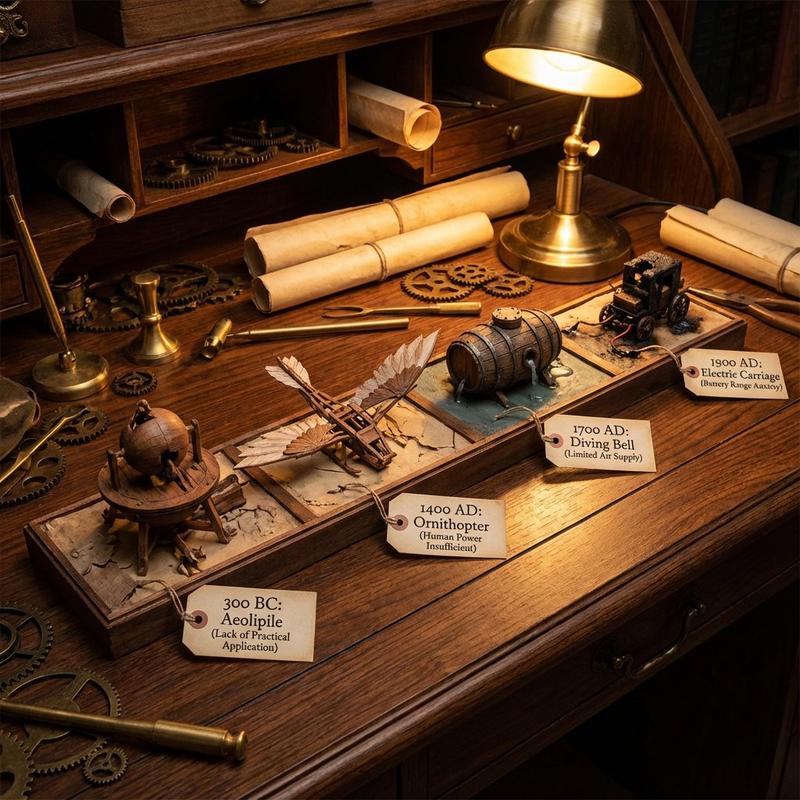
科学发现的动力学雕塑在实验笔记本中
Prompt
Role:
Science Historian & Kinetic Sculpture Engineer

Input:
Scientific Discovery: {argument name="scientific discovery" default="{{DISCOVERY}}"}
Primary Scientist: {argument name="scientist name" default="{{SCIENTIST_NAME}}"}

Year: {{YEAR}}
Lab Location: {{LOCATION}}

Phase 1: Concept Analysis

Identify the defining eureka moment behind {{DISCOVERY}}
Briefly imply earlier failed attempts through visual cues

Select the key physical apparatus used or symbolized in this discovery (e.g. telescope, prism, microscope, equation, clock, lens)

Phase 2: Visual Execution

Goal:
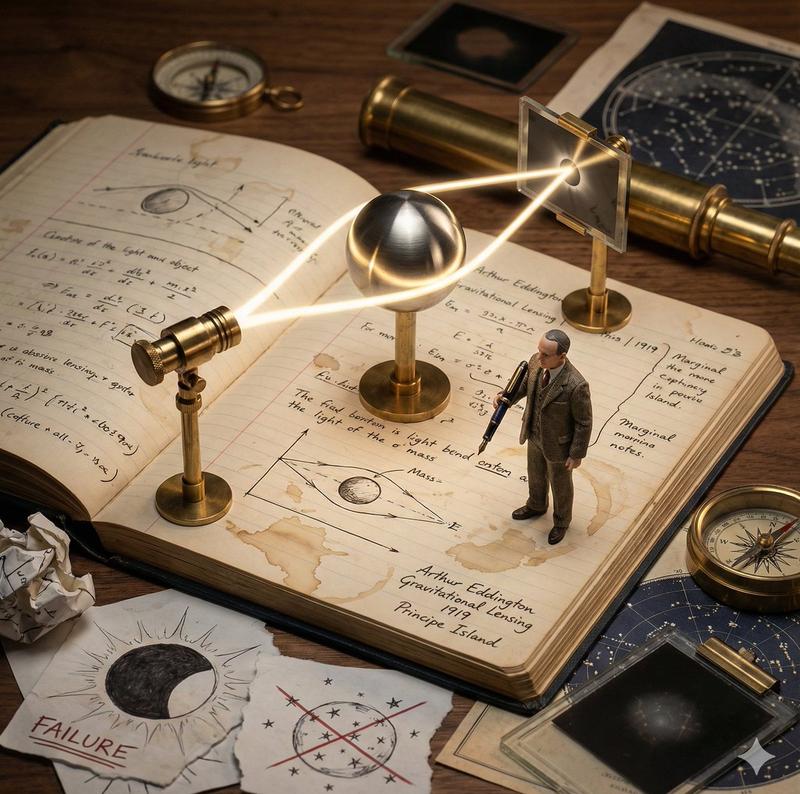
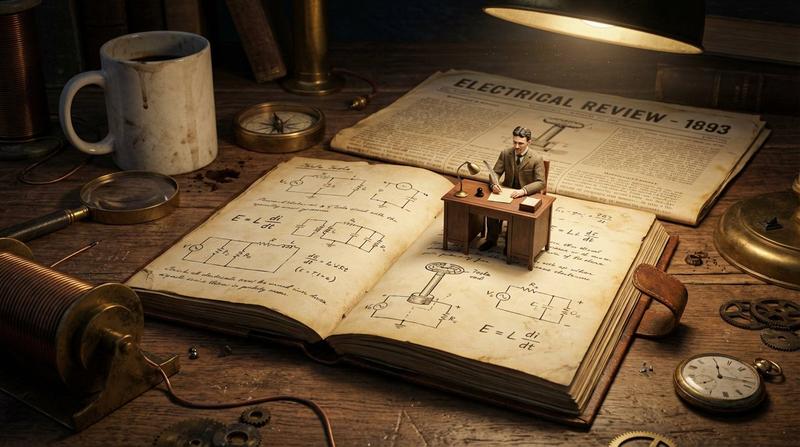
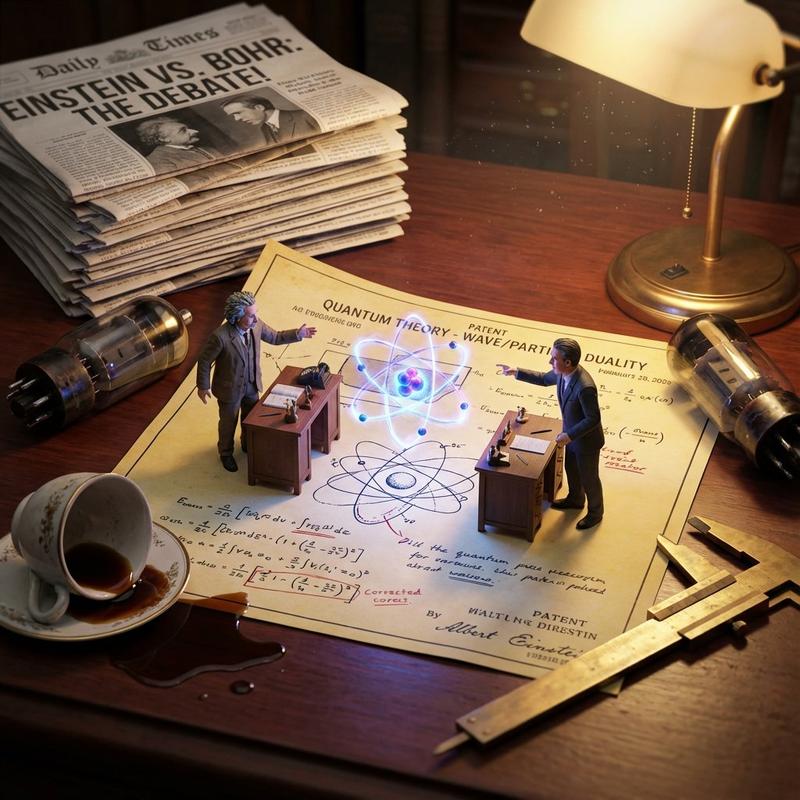
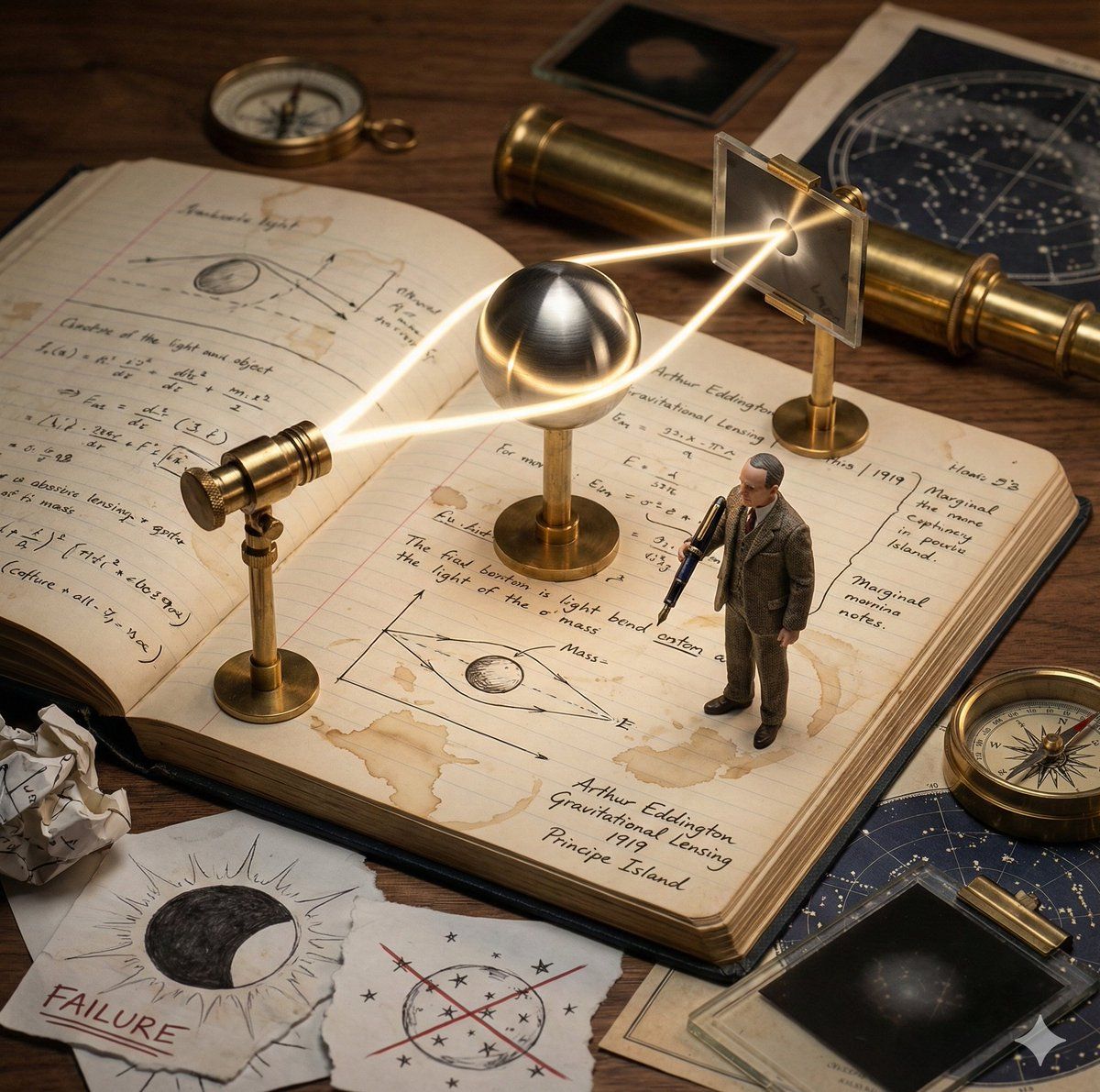
A single 1x1 frame showing a working “lab notebook contraption” frozen mid-discovery.

Scene Rules:

Base:
An open, aged lab notebook on a wooden desk. Coffee stains, handwritten equations, rough sketches, and marginal notes fill the pages.

The Machine:
A functional brass and glass apparatus rises directly from the notebook pages. Steampunk-inspired but scientifically grounded.

The Process:
The apparatus actively demonstrates {{DISCOVERY}}

Examples: light bending, gears rotating, particles flowing, rings orbiting, waves oscillating.

The Scientist:
A tiny, realistic figurine of {{SCIENTIST_NAME}} in period-accurate lab clothing, holding a fountain pen and taking notes.

The Failure:
Crossed-out equations, torn sketches, and crumpled paper scattered near the notebook.

The Eureka:
One subtle glowing element (LED, filament, beam of light, energized ring) symbolizing the breakthrough moment.

The Label:
Handwritten in fountain pen style on the notebook page:
“{{SCIENTIST_NAME}} | {{DISCOVERY}} | {{YEAR}} | {{LOCATION}}”

Era Props:
Period-accurate tools such as a slide rule, telegram, brass compass, glass tubes, Bunsen burner, vacuum tubes, or notebooks.

Style & Output

Composition: Single frame, centered subject, square 1x1

Lighting: Dramatic side lighting, warm highlights, deep shadows

Texture: Brass, glass, paper fibers, ink stains clearly visible

Photography Style: Industrial scientific photography, cinematic realism

Mood: Quiet intensity, intellectual tension, frozen moment of discovery
Quality: Ultra-detailed, macro realism, shallow depth of field- Category
- 创意图片
- Model
- Nano Banana Pro
- Source ID
- 7c5f013d-602f-44ff-b314-6ec9542049e6
- Published
- Mar 8, 2026
Views0